
CCTV drain survey
Camera inspection of your drains, with the footage and a written report showing what needs repairing and what does not.
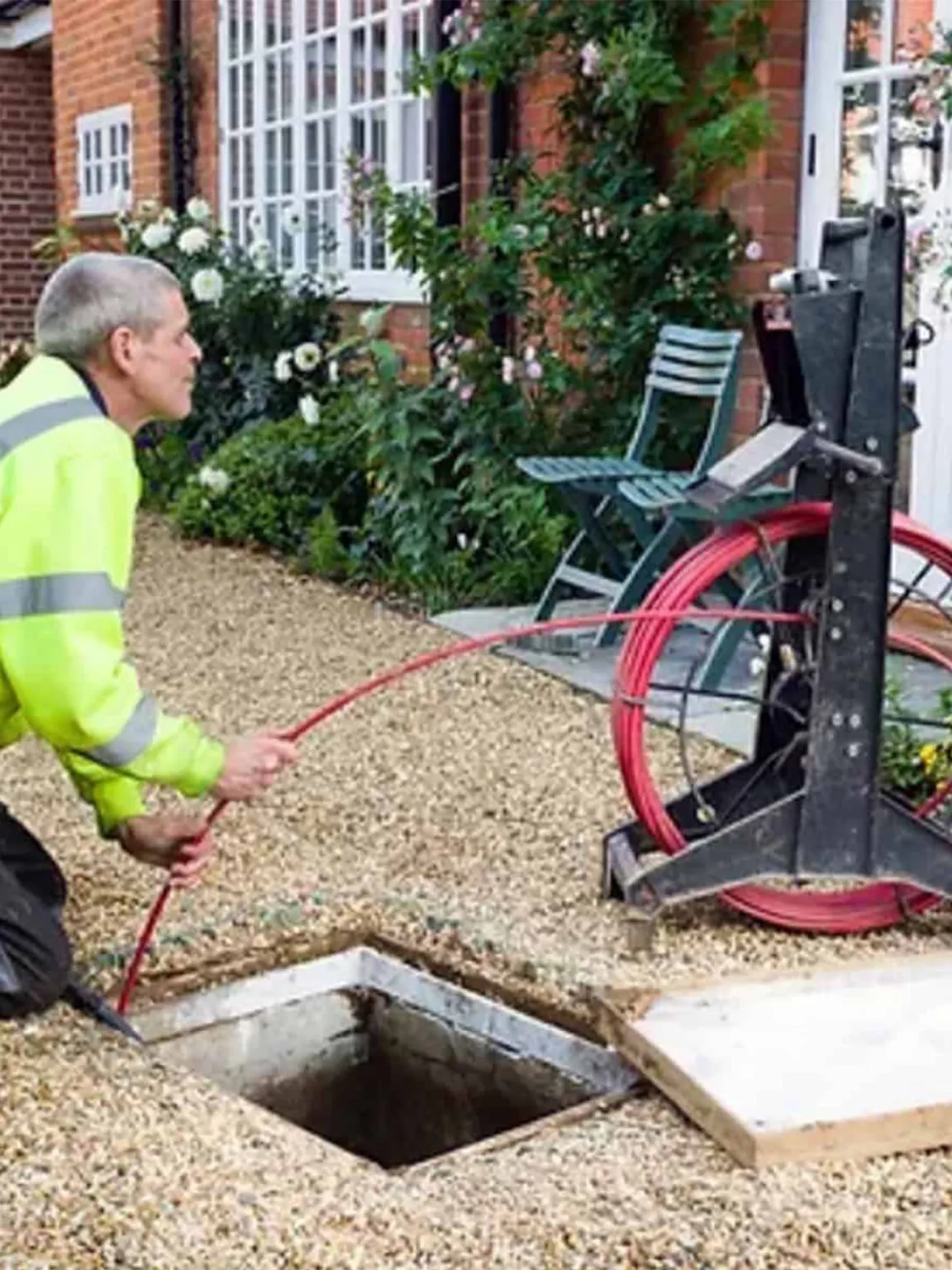
A closed-circuit television (CCTV) drain survey is a camera inspection of your drains. It runs from an access chamber or gully. It records the condition of every pipe it passes through. You get the footage and a written report. Drainage Emergency surveys drains from Mansfield Road, DE21, across Derby, Derbyshire and Nottinghamshire, 24/7.
Your drain keeps blocking, or your surveyor has flagged the drainage. Or you want to know what is under the drive before you pay to dig it up. A closed-circuit television (CCTV) drain survey is a camera inspection of your drains. It runs from an access chamber or gully.
It records the condition of every pipe it passes through. You get the footage and a written report. Drainage Emergency surveys drains from Mansfield Road, DE21, across Derby, Derbyshire and Nottinghamshire, 24/7.
When a camera survey is the right call
Book a camera survey when a drain problem keeps coming back. Book one too when you need to know the condition of a drain you cannot see, before you spend money on it. Rodding or jetting clears a blockage. It does not tell you why the blockage formed.
A drain that blocks twice in a year has a reason. It might be tree roots at a joint, or a displaced joint. It might be a dip where silt settles, because the pipe has lost its fall. Or it might be a collapse starting.
Damp on an internal wall, or a patch of lawn that never dries, can mean a leaking drain underneath. A smell of drains, with no visible blockage, usually means a cracked pipe. Or it means a trap that has dried out. Cracks in render, or a dropped path, can mean ground washed out by a leaking joint.
Insurers ask for a survey before they accept a subsidence claim linked to drainage. Anyone buying a house needs a survey too. So does anyone planning an extension over a sewer. Both reasons are covered on their own pages: pre-purchase drain survey and build over drain survey.
Is it worth it? If the alternative is digging up a drive to find a fault, yes. The same goes if the alternative is a third unblocking visit within six months.
The survey replaces guesswork with a recording you can watch. To book one, call 01332 215521 any hour. A survey does not have to wait for office hours.
How we survey a drain
The engineer starts at an access point: an inspection chamber, a rear gully or a rodding eye. If the run is silted or greasy it gets jetted first. A camera in a dirty pipe films dirt and nothing else. Then the camera goes in on a push rod, or on a crawler for larger pipes. It travels the run while the engineer watches the picture live.
Every metre is counted from the chamber. When a defect appears on screen, the engineer knows exactly how far along the pipe it is. Sometimes a run disappears under a floor or a drive.
A sonde, a small transmitter in the camera head, lets the engineer follow the run’s position from the surface with a locator. The engineer marks the position on the ground. The recording is kept.
For a typical house, the survey covers the foul drain from the house to the boundary. It also covers any surface water runs that share the system, and the chamber that connects to Severn Trent’s sewer.
Drain inspection and laser survey
Inspection is the everyday form of the survey. The camera confirms the drain is clear, that the pipe wall and joints are intact, and that water runs the right way. The engineer then tells you what it found.
A laser survey adds measurement. A laser profiler on the camera head projects a ring of light onto the pipe wall. The shape of that ring shows whether the pipe is still round, or squashed, and by how much.
That matters for pipe materials that deform before they crack. Pitch fibre, laid widely in the 1950s and 1960s, goes oval and then flat under load. On a plain camera picture a deformed pipe looks fine until it is not. The profile gives a number. That number decides whether the run can be relined or has to be replaced.
Profiling also pins down gradient problems. A dip in a run holds water and silt. On camera, it shows as the water level rising and falling.
The measured profile shows where the low point is and how much fall has been lost. Most domestic surveys are inspections. Profiling is added when the shape or the fall of the pipe is the question.
What the survey report contains
You get the recording and a written report. The report lists every run surveyed: its start and finish chamber, pipe material and size, and each defect’s distance from the chamber. That way a repair crew can go straight to it, without a second survey. Defects are graded by severity. The report separates what needs doing now from what is worth watching.
It also includes a sketch of the drainage layout as found. That is often the first drawing of a house’s drains that has ever existed. Where a run has been traced with the sonde, its position and depth are noted. Sometimes a run cannot be surveyed, because it is blocked, collapsed or has no access. The report says so, and says why, rather than leaving a gap.
The last section is the recommendation: no action, a clean, a patch repair, a full reline, or excavation. We include a quote for the work, if you want one. We email you the report and the footage.
What surveys find in Derby’s housing
What the camera finds depends on when the house was built and what is growing over the drain. In Allestree, DE22, the 1930s to 1960s houses around Allestree Park sit on clay drains in large gardens with mature trees. Root ingress at the pipe joints is the most common survey finding there. Littleover, DE23, tells the same story on the south side, on the larger post-war plots towards Burton Road.
Chaddesden, DE21, a few minutes from our office on Mansfield Road, has a different problem: length. The 1930s to 1960s semis have long back-garden runs to a rear gully. The survey is often the first time anyone has seen the middle of that run.
Sinfin, DE24, has 1950s and 1960s concrete and clay drains now at the age where joints displace. A displaced joint is where a survey earns its money. It is invisible from above and it catches every wipe that passes.
Spondon’s village core, DE21, still has some of the oldest private drainage in the east of the city. Darley Abbey, DE22, is older still: Georgian mill-workers’ cottages inside a conservation area. There, the survey also tells us whether a no-dig repair is possible, because digging is the last resort. Pride Park, DE24, the business district built on old railway land around Derby County’s stadium in the 1990s, is the opposite case. There, modern large-bore systems are surveyed on a schedule, rather than after a failure.
Whose drain is it: Severn Trent and the 2011 transfer
The survey tells you what is wrong. The next question is whose pipe it is in. In Derby, that comes down to the 2011 transfer of private sewers.
Severn Trent Water is the sewerage undertaker for the city. Since 2011 most pipework beyond your property boundary, and any drain shared between two or more properties, belongs to Severn Trent. The drain that serves only your house, inside your boundary, is yours.
That line is not always where people expect it. In a Victorian terrace in Normanton, DE23, the drains often run along the backs of several houses before reaching the sewer. That section carries next door’s waste as well as yours. It is a public sewer, even though it is in your garden.
A report places the defect at a measured distance from a known chamber. That lets you show Severn Trent exactly where the problem is, if it turns out to be theirs. It also saves you paying to fix a pipe you do not own.
After the survey: repair, relining or a clean
Most surveys end in one of three places. If the pipe is sound and just dirty, a high-pressure clean restores the full bore, the whole internal width of the pipe. The camera confirms it: that is drain jetting. If there is a defect, the report says whether it can be fixed from inside the pipe.
A single crack or open joint takes a patch. A run with several defects, or root ingress along its length, takes a reline. A reline is a resin liner cured inside the old pipe, to form a new one. Both are on the drain repair page. Neither needs a trench.
Excavation is for the pipe that has collapsed or dropped, where there is no bore left to line. That is a collapsed drain repair. The survey footage tells us the extent of the dig, before anyone picks up a spade.
Because the same engineers survey and repair, the report and the quote are one conversation. One customer described the sequence over a weekend: drains unblocked, survey done by the Sunday, and Phil’s team relining by the Wednesday.
Why book your survey with Drainage Emergency
When you call, you speak to the drainage firm, not a survey desk. We are based at 33a, Parker House, Mansfield Rd., Derby DE21 4SZ. We cover Derby, Derbyshire and Nottinghamshire, 24 hours a day, 365 days a year.
The cost depends on how many runs there are, and how many chambers we can get into. It also depends on whether the drain needs cleaning first. You get the price before we start. There are no hidden fees on quotes. For work under two thousand pounds, you only pay on completion.
We carry £5 million public liability insurance. The engineers who turn up are the same Chris, Dave and Phil that customers name in their reviews. They are fully qualified drainage engineers, who repair drains as well as film them.
Have your address ready, a description of what the drain is doing, and whether you know where the chambers are. If you do not know, finding them is part of the job. Call 01332 215521 and tell us what the drain is doing. The next person you deal with is the engineer who films it. The same firm fixes what the camera finds.
Recent cctv drain survey work in Derby
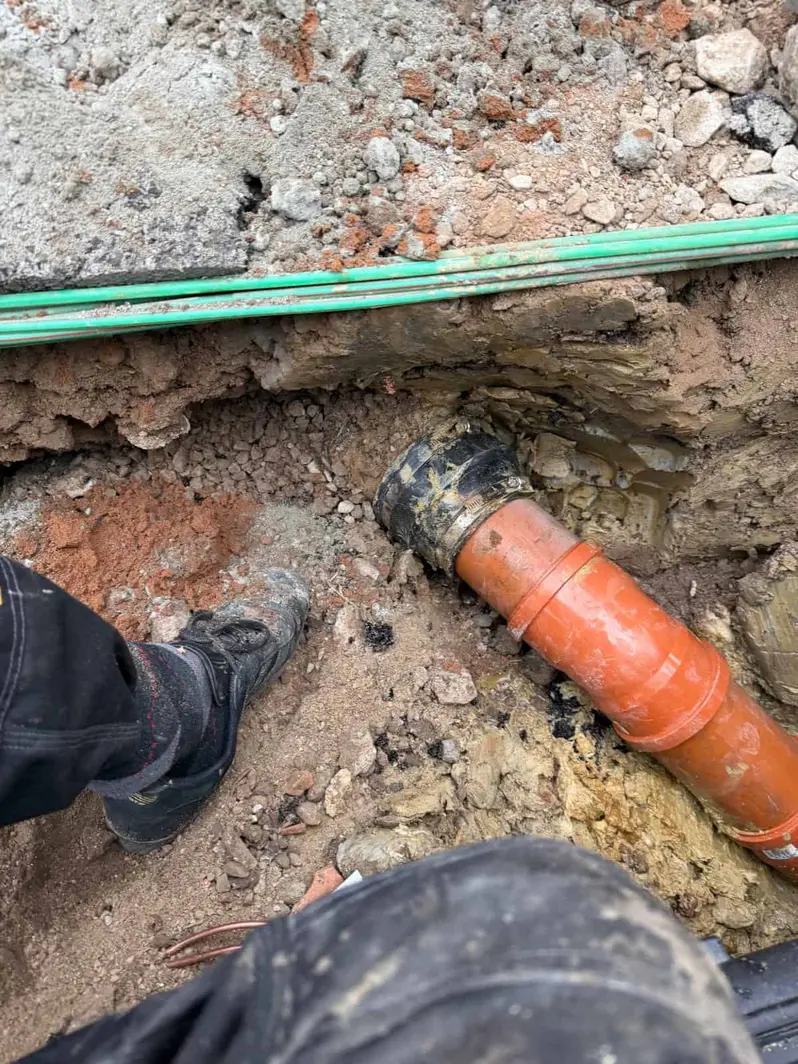
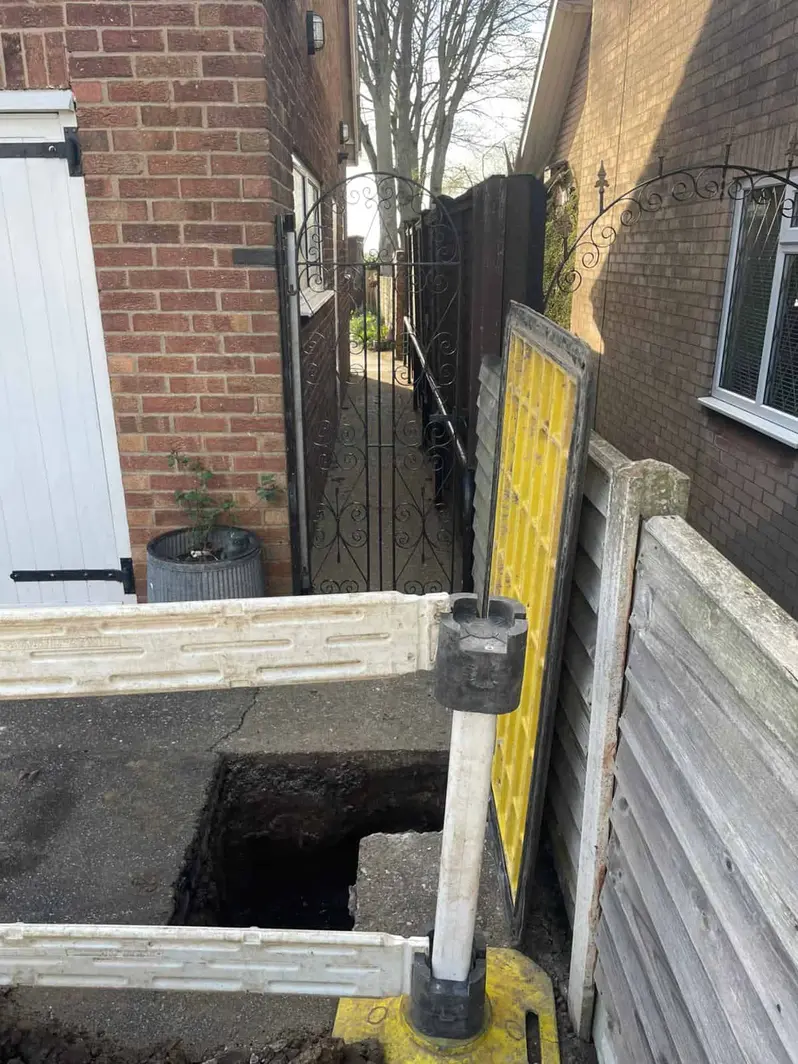
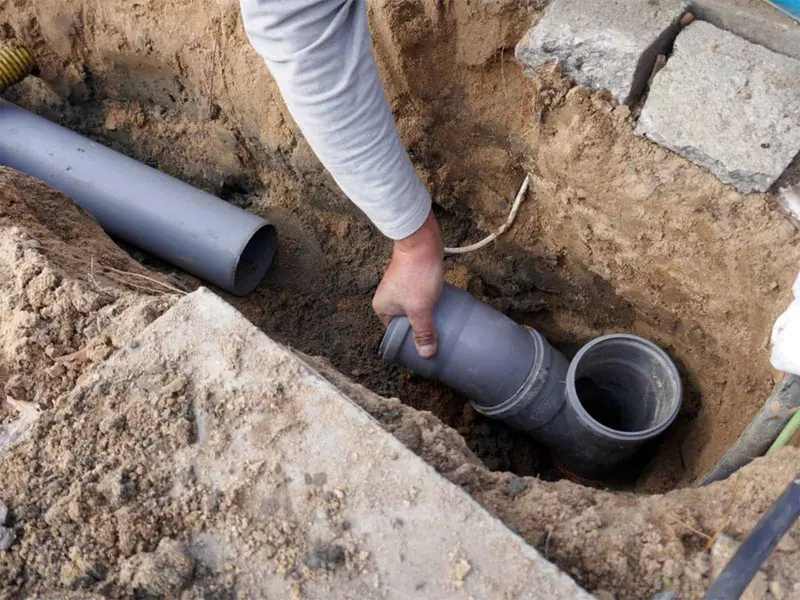
Around Derby: where this work comes from
We are based at Parker House on Mansfield Road (DE21), on the east side of the city. Every area below is one we attend regularly, and the notes are what our engineers actually find there.
Areas we cover for this service
- LittleoverDE23
Edwardian and inter-war semis nearer the city, larger post-war plots towards Burton Road. Mature gardens mean tree roots in clay drains are the usual cause of repeat blockages.
Directions from our office - ChaddesdenDE21
Mostly 1930s to 1960s semis on the east side of the city, a few minutes from our Mansfield Road office. Original clay drains and long back-garden runs to a rear gully are typical.
Directions from our office - SpondonDE21
An old village core with Victorian cottages, surrounded by post-war housing. The village centre still has some of the oldest private drainage in the east of the city.
Directions from our office - AllestreeDE22
Leafy 1930s to 1960s suburb on the north side with large gardens and mature trees, so root ingress into clay drains is the most common survey finding.
Directions from our office
Local landmarks nearby
- Darley Abbey MillsDE22
Cotton mills founded by the Evans family in 1782, now part of the Derwent Valley Mills World Heritage Site. The surrounding mill village is a conservation area, so repairs that avoid digging are the first choice.
Directions from our office - Pride Park StadiumDE24
Home of Derby County since 1997, at the centre of the business park built on old railway land. Modern, large-bore drainage that is maintained on a schedule rather than fixed in a panic.
Directions from our office - Royal Derby HospitalDE22
The city's main hospital, on the west side between Littleover and Mickleover. A useful landmark for the Uttoxeter Road corridor, where inter-war housing sits on clay drains.
Directions from our office
Whose drain is it? Severn Trent owns and maintains the public sewers in Derby. Since the 2011 transfer of private sewers, most pipework beyond your boundary became theirs. So did shared drains serving more than one property. The drain that serves only your property, inside the boundary, remains yours. If you are not sure, call us on 01332 215521 and we will tell you before anyone is sent out. Full coverage list on our service areas page.
Questions people in Derby ask about cctv drain survey
How much does a CCTV drain survey cost?
It depends on how many runs there are, how many chambers we can get into and whether the drain needs jetting before the camera can see. We give you the price before we start, there are no hidden fees on quotes, and for work under two thousand pounds you only pay on completion.
What does a CCTV drain survey involve?
The engineer opens an access chamber, gully or rodding eye, cleans the run first if it is silted, then pushes a camera along the pipe while watching live. Distance is counted from the chamber so each defect is located, buried runs are traced with a sonde, and you get the recording with a written report.
How long does a CCTV drain survey take?
Time on site depends on the number of runs, how many chambers are accessible and whether the drain has to be jetted first. The engineer explains what the camera found before leaving, and the written report follows by email.
Are drain surveys worth it?
If a drain has blocked more than once, if there is damp or a smell you cannot trace, or if you are about to buy a house or build over a sewer, yes. A survey costs far less than digging to find a fault, and it tells you whether the problem is even in your pipe or in Severn Trent's.
Do you clean the drain before surveying it?
If the run is silted, greasy or partly blocked, yes, because a camera in a dirty pipe films dirt and nothing else. High-pressure jetting restores the full bore so the pipe wall and joints can be seen and graded properly.
Can I have the survey footage?
Yes. The recording and the written report are both yours and are sent to you by email. Solicitors, surveyors and insurers can use them, and so can Severn Trent if the defect turns out to be in a public sewer.
Will the survey show whether the drain is mine or Severn Trent's?
Usually, yes. The report shows which runs serve only your property and which are shared with neighbours or beyond your boundary. Since the 2011 transfer, shared drains and pipework past the boundary are generally Severn Trent's, and the measured position of a defect lets you show them exactly where it is.
What Derby customers say
★★★★★Excellent service. Came within an hour of being called. Sorted out my drainage problem with 30 minutes too. Was very thorough in his investigation and solution. Would definitely use again if the need arises
Mark Tabberer
★★★★★Can’t fault this guy came over within an hour. Main drainage was all blocked sorted it in no time cleaned all up gave me good advice. And a good price what more can you ask.thank you.
Craig
★★★★★Fantastic service from Chris. Came out within the hour on a Saturday. Drains unblocked and survey completed by Sunday. Then Phil and his team had the drain re-lined by Wednesday. Great comms and 100% professional throughout.
Tony E