
Septic tank emptying and maintenance
Septic tank emptying, inspection, maintenance and repair for off-mains properties across Derbyshire and Nottinghamshire, including the outlet and soakaway.
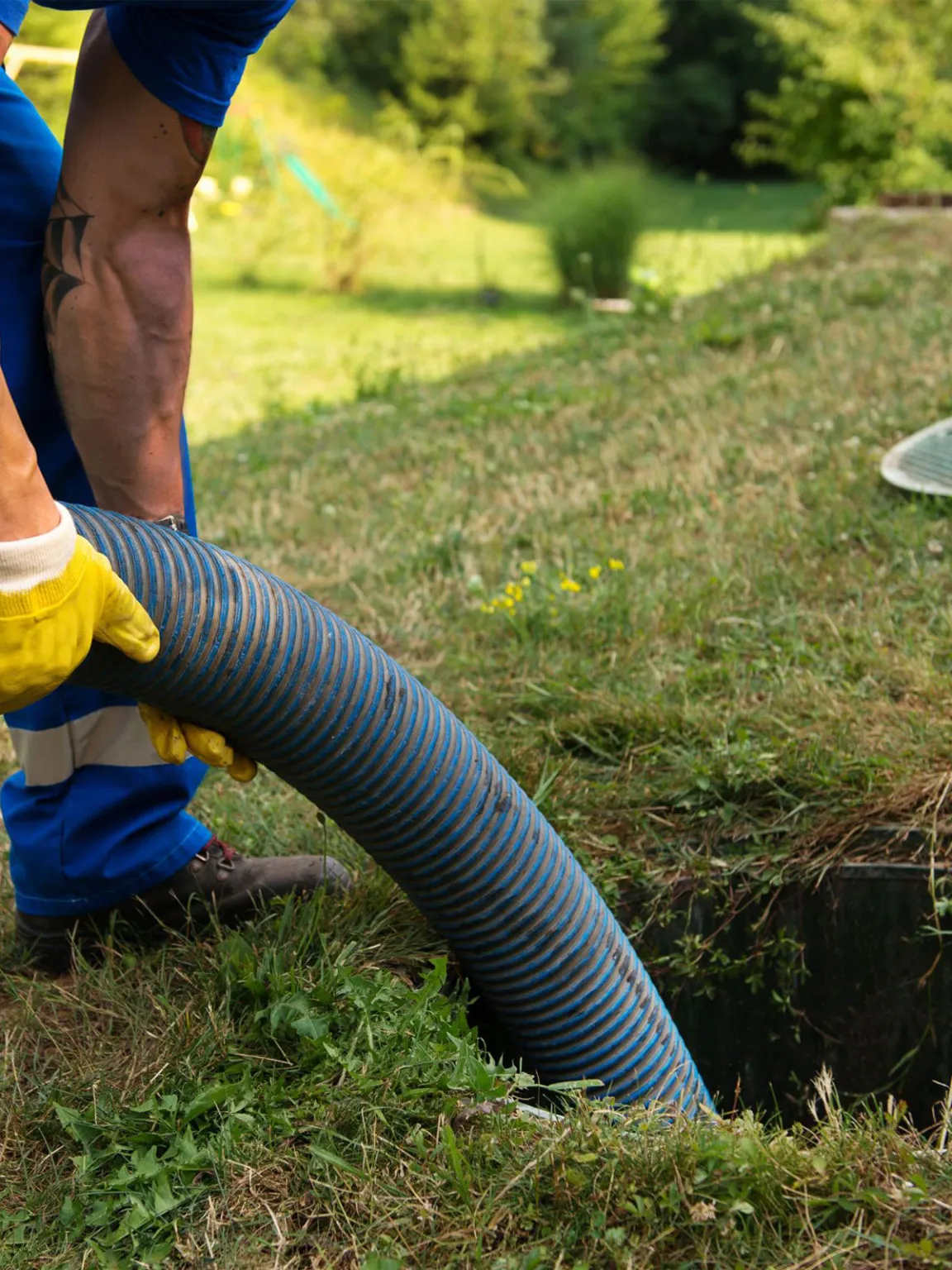
Septic tank emptying removes the settled sludge and floating crust from the tank by tanker. That lets it carry on separating solids from liquid. Drainage Emergency empties, inspects and maintains septic tanks across Derbyshire and Nottinghamshire, including the outlet and soakaway. We work 24 hours a day from Mansfield Road, Derby.
Your septic tank is either due an empty, already overdue, or you have no idea which. This page covers what emptying and maintaining a tank involves. It also shows how to tell when yours needs doing. It also covers what the law expects of you, and how we fix the faults we find.
Septic tank emptying removes the settled sludge and floating crust from the tank by tanker. That lets it carry on separating solids from liquid. Drainage Emergency empties, inspects and maintains septic tanks across Derbyshire and Nottinghamshire, including the outlet and soakaway. We work 24 hours a day from Mansfield Road, Derby. Call 01332 215521 for a routine empty, an inspection, or a tank that is backing up now.
What septic tank emptying involves
A septic tank is not a store for everything you flush. It is a settlement chamber. Heavy solids sink to the bottom as sludge.
Fats and paper float as a crust. Only the liquid in between leaves, through the outlet pipe to the soakaway. A soakaway is the buried run of perforated pipe or stone-filled trench that lets that liquid drain into the ground.
Emptying, which the Environment Agency calls desludging, takes the sludge and crust out. The liquid layer goes with them, because you cannot lift one without the other. Over the following days the tank refills with waste water and starts separating again.
The point of the visit is the sludge, not the water.
The waste goes to a licensed disposal site. You are entitled to ask anyone who turns up with a tanker whether they are a registered waste carrier.
Emptying does not clean the soakaway. Sludge that has been carried through into the outlet pipe is a separate job. It is where a drainage engineer earns their place over a tanker driver.
How often a septic tank needs emptying
There is no single interval that is right for every tank. How often yours needs emptying depends on several things. It depends on the size of the tank and how many people live in the house. It also depends on how much water they use, and on whether wipes, fat or heavy chemicals go down the drain.
The reliable method is to dip the tank and measure how fast the sludge is building. Then the interval is set from that, rather than from a rule of thumb.
The signs are hard to miss once you know them. Toilets flush slowly or gurgle. There is a sewage smell near the lid or over the soakaway. The ground over the soakaway stays wet, or the grass grows greener in a stripe. Waste backs up into the lowest gully (the grated drain outside the house) or the downstairs toilet.
Any one of those means the tank is past due or the soakaway is struggling. If you are seeing them now, call 01332 215521. We will dip the tank and tell you which it is.
Where septic tanks are in Derbyshire
Most of Derby is on the Severn Trent public sewer, so septic tanks start where the mains drainage stops. That also changes who is responsible. Off mains, there is no Severn Trent sewer to hand over to. Every metre of pipe from the house to the soakaway is the owner’s.
North of the office, up the Derwent valley, the mill towns of Belper and Duffield (DE56) sit twenty minutes away. Stone-built terraces and older village properties are the stock there. There is a higher share of septic tanks once you leave the main road.
North-west of Allestree, the lanes towards Kedleston Hall and Quarndon are largely off mains drainage.
South-east, around Elvaston Castle Country Park, are the villages of Elvaston, Thulston and Borrowash. There, septic tanks and soakaways start to replace mains drainage. Older village properties there have long private runs. On the lower ground near the Derwent, the soakaways struggle in a wet winter.
Septic tank inspection and maintenance
A maintenance visit checks the parts of the system that an emptying visit alone never looks at. We lift the lids and check the condition of the tank walls, the baffles and the dip pipes. The baffles are the internal walls that stop the crust escaping with the liquid. The dip pipes are the T-shaped fittings that draw liquid from below the crust.
We also check the depth of sludge and crust against the working depth of the tank. We check the outlet is flowing freely and that the liquid level sits below it. A level standing above the outlet is the first sign the soakaway is backing up.
Where the outlet or soakaway is in doubt, we run a camera down it. A closed-circuit television (CCTV) survey of the outlet pipe shows its condition. It reveals whether the pipe is cracked, root-damaged, silted or blocked with carried-over sludge. It also tells you whether the fix is a jetting job or a failing soakaway. Our CCTV drain survey page explains what the footage looks like and what the report covers.
Maintenance also covers the long run of private drain from the house to the tank. On a farmhouse outside Duffield, that run can be considerable. A blockage or an open joint on that run shows up as a slow toilet. That happens long before anyone thinks about the tank. High-pressure water jetting and desilting that run is part of the job.
You get a written note of what was found. You also get a recommendation for when the next empty is due. That is based on the sludge depth we measured rather than a fixed calendar.
Septic tank repair
The faults we find are mostly in the pipework and the soakaway, not the tank itself. Cracked or displaced outlet pipes, a collapsed inlet baffle and a blocked dip pipe are common faults. So are tree roots in the run to the soakaway, and a soakaway silted up after years of carried-over sludge. All of these are drainage repairs, and we do them.
Outlet and inlet pipework is repaired the same way as any private drain. Where the pipe is shallow and accessible, that means excavation and replacement. Where digging would mean lifting a drive or a patio, it means a no-dig patch or liner instead. That is cured in place inside the existing pipe. Our drain repair page covers lining and patching in detail.
Tank structure is a different matter. A brick or concrete tank might be cracked below the water line, or letting groundwater in. That usually means it is at the end of its life. We will say so plainly rather than sell you a repair that will not hold. Replacing it with a modern treatment plant is a specialist installation.
Then there is the soakaway. We can jet and clear an outlet blocked with sludge. We can also survey the soakaway to confirm whether it has failed.
Installing a new soakaway or drainage field is not a service we offer. Where the survey shows that is what is needed, you get the footage and the report. Take that to a specialist installer.
The rules for septic tanks in England
If you own a septic tank in England, you have to meet the Environment Agency’s general binding rules. If you meet them all, you do not need a permit. We checked the current rules on gov.uk when writing this page. In plain terms they say:
- It must discharge to the ground through a drainage field, also called a soakaway, and never to a watercourse, ditch, stream or river, by connecting to the public sewer, replacing the tank with a small sewage treatment plant, or installing a drainage field
- The sludge must be removed before it goes beyond the tank’s maximum capacity, and the company removing it must be a registered waste carrier
- The system must be operated and maintained in line with the manufacturer’s specification, and repaired or replaced if it is not in good working order
- If you sell the property, you must tell the buyer in writing about the system, where it is and how it has been maintained
Two related things get confused with septic tanks.
A cesspit, or cesspool, is a sealed tank with no outlet at all. Nothing leaves it, so it fills with everything and has to be emptied far more often. We do not empty cesspits; if that is what you have, you need a tanker firm. We can confirm which you have on a visit, because the two are often mislabelled on older Derbyshire properties.
A soakaway is not a device you buy. It is the drainage field the tank relies on. As above, we clear and survey existing ones but do not install new ones.
What happens when you call
When you ring 01332 215521, any hour on any day of the year, tell us where the property is. Tell us what the problem is. Also tell us whether you know where the tank and its lids are. If you do not know, finding them is part of the visit.
For a maintenance or inspection visit we agree a time. The engineer who attends is the one who would run the camera. They would also jet the outlet if the lids reveal a problem.
That way you are not waiting on a second trade. For a backup into the house, we treat it as an emergency in the same way as a blocked sewer. Our emergency drain unblocking page explains how that works.
You get a quote before work starts, with no hidden fees. For jobs under two thousand pounds, you pay on completion. Every engineer is fully qualified, and the business carries £5 million of public liability insurance.
Drainage Emergency covers Derby, Derbyshire and Nottinghamshire from 33a, Parker House, Mansfield Rd., Derby DE21 4SZ. Customers regularly report us arriving within the hour for emergencies. The engineers they name in reviews, Chris, Dave and Phil, are the people who will turn up.
Call 01332 215521 and we will come out, lift the lids and dip the tank. By the time we leave, you will know how full it is. You will also know whether the outlet and soakaway are sound, and when it next needs emptying.
Recent septic tank emptying and maintenance work in Derby
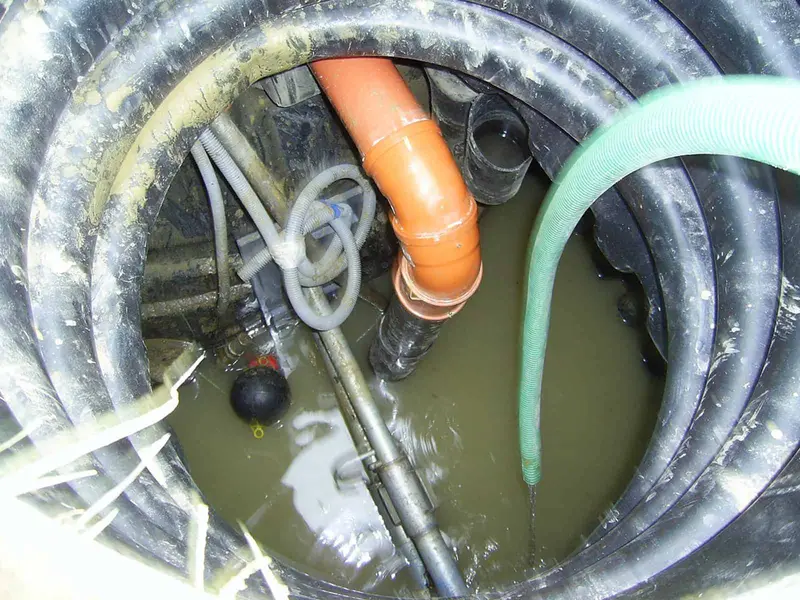
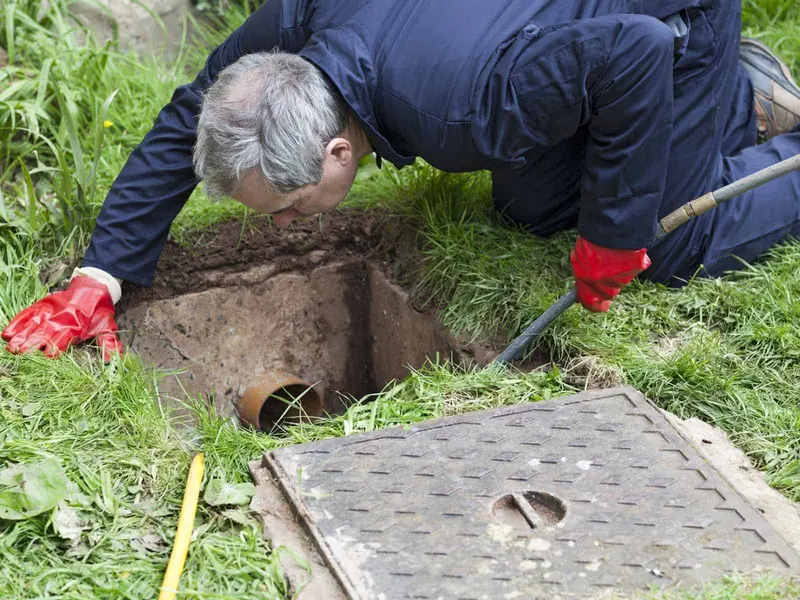
Around Derby: where this work comes from
We are based at Parker House on Mansfield Road (DE21), on the east side of the city. Every area below is one we attend regularly, and the notes are what our engineers actually find there.
Areas we cover for this service
- Belper and DuffieldDE56
Mill towns up the Derwent valley, twenty minutes north of the office. Stone-built terraces and older village properties, and a higher share of septic tanks once you leave the main road.
Directions from our office - Elvaston, Thulston and BorrowashDE72
The villages south-east of the city around Elvaston Castle, where mains drainage ends at the edge of Derby and septic tanks and soakaways take over. Older village properties with long private runs and, on the lower ground near the Derwent, soakaways that struggle in a wet winter.
Directions from our office
Local landmarks nearby
- Elvaston Castle Country ParkDE72
Two hundred acres of parkland south-east of the city. The villages around it, Elvaston, Thulston and Borrowash, are where septic tanks and soakaways start to replace mains drainage.
Directions from our office - Kedleston HallDE22
The National Trust's Robert Adam house north-west of the city. The lanes beyond Allestree towards Kedleston and Quarndon are largely off mains drainage.
Directions from our office
Whose drain is it? Severn Trent owns and maintains the public sewers in Derby. Since the 2011 transfer of private sewers, most pipework beyond your boundary became theirs. So did shared drains serving more than one property. The drain that serves only your property, inside the boundary, remains yours. If you are not sure, call us on 01332 215521 and we will tell you before anyone is sent out. Full coverage list on our service areas page.
Questions people in Derby ask about septic tanks
How often do septic tanks need to be emptied?
There is no fixed interval. It depends on the tank's size, how many people use it, how much water they use and what goes down the drain. The general binding rules say the sludge must be removed before it goes beyond the tank's capacity, so we dip the tank, measure how fast sludge is building, and set the interval from that.
What are the signs that a septic tank is full?
Slow or gurgling toilets, a sewage smell near the lid or over the soakaway, wet ground or a greener stripe of grass over the soakaway, and waste backing up into the lowest gully or the downstairs toilet. Any of these means the tank is overdue or the soakaway is struggling, and it wants inspecting before it floods.
Can a septic tank go 20 years without being emptied?
It may carry on working, but the sludge that should have been taken out ends up carried through into the outlet pipe and the soakaway. A silted or failed soakaway is a far bigger and more expensive job than a routine empty, which is why regular dipping and emptying is the cheaper route over the life of the tank.
How much does septic tank emptying cost?
It depends on the size of the tank, how easy the lids and access are, and whether the visit finds an outlet or soakaway problem that needs jetting or a camera survey. We quote before starting, with no hidden fees, and for jobs under two thousand pounds you pay on completion. Call 01332 215521 with the property location and what you know about the tank.
Do you empty cesspits?
No. A cesspit is a sealed tank with no outlet, so everything stays in it and it needs a tanker firm on a frequent schedule. We empty, inspect, maintain and repair septic tanks, which have an outlet to a soakaway. If you are not sure which you have, we can confirm it on a visit, because the two are often mislabelled on older Derbyshire properties.
Do septic tanks need to be registered or permitted in England?
If you meet all of the Environment Agency's general binding rules you do not need a permit. The main ones are that the tank discharges to ground through a drainage field and not to a watercourse, the sludge is removed by a registered waste carrier before the tank is over capacity, the system is maintained and repaired, and a buyer is told about it in writing when you sell.
What Derby customers say
★★★★★Chris provided excellent service. He was able to identify the problem immediately and fix it. Highly recommend
Nicky Bootes
★★★★★Calling someone out for this task is always a bit nerve-racking since the expenses might spiral when the manhole is removed. It was these comments that compelled us to contact Chris, and I’m delighted we did. Our drains were completely clogged, and Chris was able to clear them in
Ginie Morysse
★★★★★I had a blocked drain and called Chris since I found his firm on the internet, he was very nice over the phone and showed up within the time frame he promised. He rapidly unblocked our drain at the price we agreed when he arrived.
Erkin Kanlioglu