
Commercial drain cleaning and maintenance contracts
Planned jetting, desilting and CCTV for commercial premises across Derby and Derbyshire, with 24/7 emergency callouts for pubs, shops and offices.
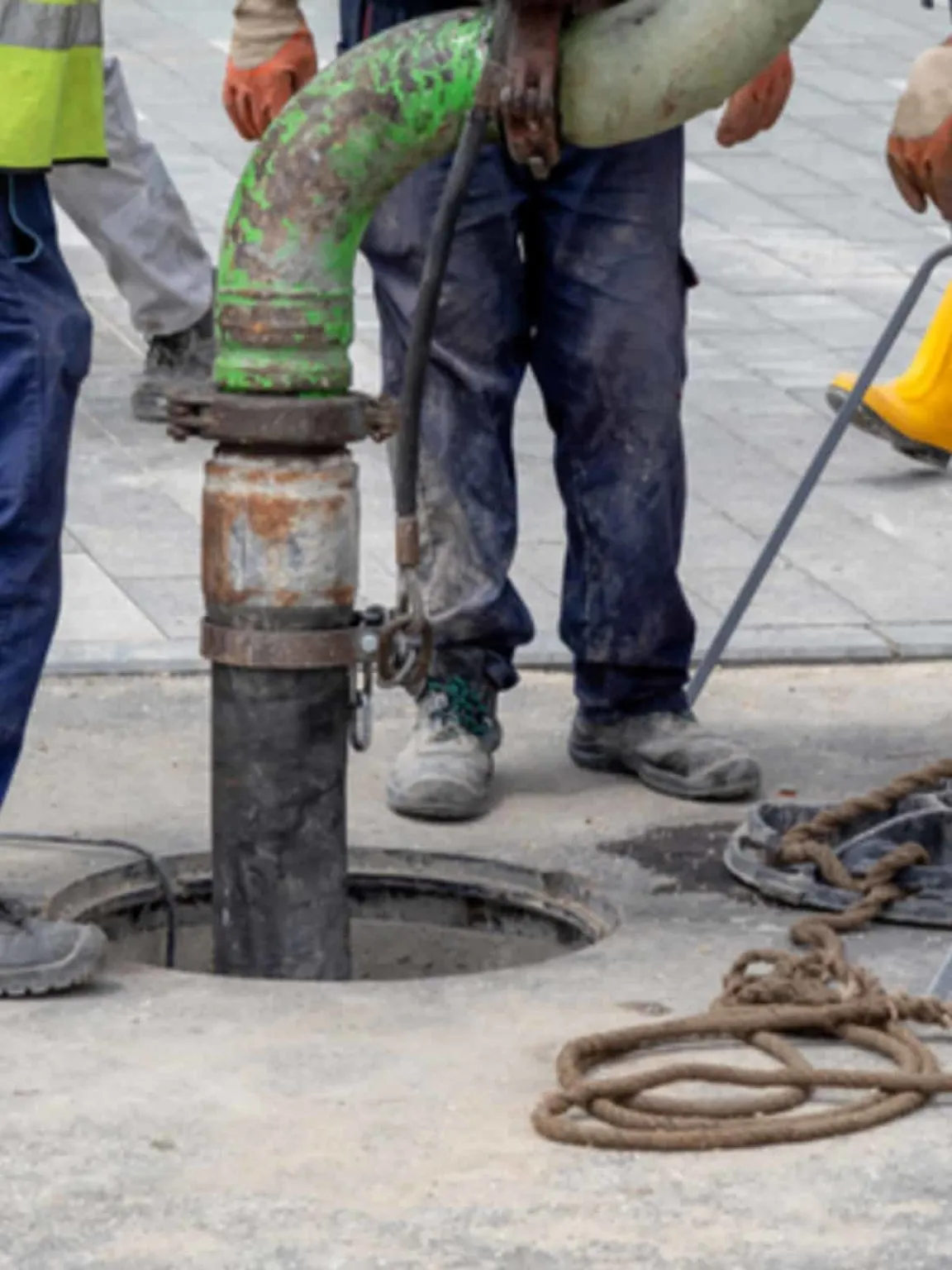
Commercial drain cleaning in Derby is planned or emergency jetting, desilting and CCTV inspection. It covers the drains serving a shop, pub, restaurant, office or industrial unit. It is done so the business does not have to close for a blocked toilet or a flooded kitchen.
A blocked drain at a business is a closed door, not an inconvenience. Commercial drain cleaning in Derby is planned or emergency jetting, desilting and closed-circuit television (CCTV) inspection. It covers the drains serving a shop, pub, restaurant, office or industrial unit.
It is done so the business does not have to close for a blocked toilet or a flooded kitchen. Drainage Emergency, based on Mansfield Road, DE21, covers commercial sites 24/7 across Derby, Derbyshire and Nottinghamshire. To talk through a site, call 01332 215521.
What commercial drain cleaning covers
Commercial drain cleaning is the jetting, desilting and camera inspection of the drains that serve a business. A pub kitchen, a shop’s staff toilet, an office block and an industrial unit all have drains. They carry more, and worse, than a house drain does.
Fat and food come from kitchens. Paper and wipes come from a toilet used by the public. Silt and grit come from a car park.
The method is the one on our high pressure drain jetting page. A jetting hose is fed from the nearest inspection chamber, the pit under the manhole cover. It cuts grease, silt and scale off the pipe wall and flushes it to the sewer. A desilting visit clears the settled material out of chambers and interceptors.
What changes on a commercial site is the timing, the access and the record. The clean happens when the premises are quiet. The engineer needs to know where the chambers are under the car park. The landlord, managing agent or insurer wants a record of what was done.
Drain maintenance plans
A drain maintenance plan is planned cleaning at an interval set by how quickly your drains fill. It starts with a first clean and a camera run. That shows the condition of the pipe and how much has built up. The interval is set from that: some sites need a visit every few months, others once a year.
On each visit the main run is jetted from the chambers, and the kitchen branches and gullies are cleared. Any interceptor, the chamber that traps oil and silt off a car park, is desilted too. The engineer notes what came out and anything that looks like it is getting worse. You get a written record of each visit. That is what a landlord, a franchisor or an insurer asks for after a flood.
The point of the plan is the Saturday you do not lose. A blocked toilet in a busy pub closes it. A planned clean on a quiet weekday morning costs less than one lost Saturday. The camera catches a cracked pipe before it collapses under the car park.
Emergency callouts for pubs, shops and offices
Trade stops when a drain backs up. One customer wrote that they had a blocked drain at a pub on a Saturday. Chris “was here within 30 minutes and sorted the problem straight away”. Another rang on a Friday afternoon with a toilet drain blocked in a retail shop. Dave “was at the shop within 20 minutes and sorted out the problem”, which the customer said saved the shop from flooding.
Those are two customers’ accounts, not a promise about the next callout. You ring 01332 215521, any hour of any day of the year. Tell us what is backing up and where. The engineer who attends carries rods, the jetting unit and a camera, and clears the drain on that visit.
Out-of-hours callouts are the norm in the city centre. The Cathedral Quarter around the 1721 Silk Mill, DE1, runs on combined Victorian drains. They are shared between shops, pubs and flats above them. A blockage that starts in one kitchen can show up in a neighbour’s basement. Our emergency drain unblocking page covers the callout in detail.
Grease, fat and what a grease trap does
Fat is the most common reason a commercial drain blocks. Warm cooking fat goes down the sink as a liquid. It cools in the drain and sets on the pipe wall, and every day’s washing-up adds another layer. The first sign is usually a sink that drains slowly or a gully outside the kitchen door that smells.
A grease trap is a tank fitted on the kitchen waste line. It slows the flow so fat floats to the top and is held back. The water carries on to the drain. Emptying and servicing grease traps is a specialist tanker job, and it is not something we do.
What we do is the drain the trap discharges into. We jet the run from kitchen to sewer to remove the fat that got past the trap. We also desilt the chambers it settles in.
Interceptors, pumping stations and larger sites
A petrol interceptor sits on a car park or yard. It separates oil and silt from the surface water before it reaches the sewer. It fills with silt over time and needs desilting before the silt reaches the outlet. That is a job we do.
A pumping station is a sump with pumps that lifts foul water from a low site up to the sewer. Gravity cannot do that on its own. The pumps, floats and controls need servicing by a pump engineer, which is not a service we offer.
The wet well the pumps draw from does fill with silt and rag. Rag is the wipes and cloth that wrap around a pump. Desilting a wet well is a job we do.
Pride Park, DE24, is where most of this sits in Derby. The business district around Pride Park Stadium was built on reclaimed railway land in the 1990s. It has large modern drainage systems. Those are maintained on a schedule rather than fixed in a panic.
Who is responsible for a commercial drain
Responsibility follows the pipe. Severn Trent Water owns the public sewers in Derby. Since the 2011 transfer of private sewers, it also owns most pipework beyond your boundary. That includes any drain shared between properties. The drain that serves only your premises is yours, and that is the pipe a plan covers.
Between a landlord and a tenant it depends on the lease. As a rule, the tenant keeps the drains clear and the landlord looks after the structure of the pipe. The Cathedral Quarter has combined Victorian drains. A single run there may serve a shop, a pub and three flats. There, the question of who pays for a clean is worth settling before the drain blocks rather than after.
Highway gullies on the adopted road outside are Derby City Council’s, as the Lead Local Flood Authority. The gullies in your car park are yours. A silted one shows itself in a downpour. By then, Markeaton Brook is already the surface-water pinch point, culverted beneath the city centre from Markeaton Park.
Setting up a plan or booking a one-off clean
When you call, tell us what the premises are and what the drains have been doing. Also tell us when the site is quiet enough for a visit.
The first visit is a clean and a camera run. From that we tell you the state of the drains, how often they need cleaning and whether anything needs repair. We quote before work starts and there are no hidden fees; quotes below two thousand pounds are paid on completion. We carry £5 million public liability insurance, and our engineers are fully qualified drainage engineers.
Where the camera shows damage, our CCTV drain survey page explains the report. Repairs can usually be done from inside the pipe without closing the premises.
If the drains at your premises have blocked more than once this year, call 01332 215521. We will book the first clean for a quiet morning and put the camera down. Then we will tell you straight whether you need a plan, a repair or neither.
Recent commercial drain cleaning and maintenance contracts work in Derby
Around Derby: where this work comes from
We are based at Parker House on Mansfield Road (DE21), on the east side of the city. Every area below is one we attend regularly, and the notes are what our engineers actually find there.
Areas we cover for this service
- City centre and Cathedral QuarterDE1
Shops, pubs, offices and flats above them, many in Georgian and Victorian buildings with combined drains and grease-heavy waste. Out-of-hours callouts are the norm because a blocked toilet closes a business.
Directions from our office - Pride ParkDE24
The business district around Derby County's stadium and Derby Arena, built on reclaimed railway land in the 1990s. Large modern drainage systems that need planned maintenance rather than emergency calls.
Directions from our office
Local landmarks nearby
- Markeaton ParkDE22
Derby's most visited park. Markeaton Brook runs from here in a culvert beneath the city centre and is historically the city's most destructive flood source, which is why surface water still backs up in heavy rain.
Directions from our office - Derby Silk Mill (Museum of Making)DE1
The 1721 silk mill on the Derwent is counted among the first factories anywhere. The Cathedral Quarter around it runs on combined Victorian drains shared between shops, pubs and the flats above them.
Directions from our office - Pride Park StadiumDE24
Home of Derby County since 1997, at the centre of the business park built on old railway land. Modern, large-bore drainage that is maintained on a schedule rather than fixed in a panic.
Directions from our office
Whose drain is it? Severn Trent owns and maintains the public sewers in Derby. Since the 2011 transfer of private sewers, most pipework beyond your boundary became theirs. So did shared drains serving more than one property. The drain that serves only your property, inside the boundary, remains yours. If you are not sure, call us on 01332 215521 and we will tell you before anyone is sent out. Full coverage list on our service areas page.
Questions people in Derby ask about commercial drainage
How much does commercial drain cleaning cost?
It depends on the size of the site, how many chambers and gullies there are, what is in the drains and whether it is a one-off clean or a plan, so we quote after the first look rather than publish a rate. There are no hidden fees on the quote, and quotes below two thousand pounds are paid on completion.
How often should commercial drains be cleaned?
There is no fixed rule. The first clean and camera run show how quickly the build-up returns, and the interval is set from that. A busy kitchen on an old shared drain needs cleaning far more often than an office on a modern system, and a plan that is too frequent wastes money just as one that is too rare floods the kitchen.
What do professionals use to clear a commercial drain?
Rods for a soft blockage within reach of a chamber, high pressure water jetting for grease, silt and scale along the run, and a camera to find the cause when it is not obvious. Not chemicals, which do nothing to set fat along a pipe and make the drain dangerous to work on afterwards.
Why should I not pour drain cleaner down a commercial drain?
Caustic and acid products burn a path through soft material but leave the fat on the pipe wall, attack older cast iron and clay, and are a hazard to your staff and to the engineer who comes out afterwards. On a shared Victorian drain in the city centre they end up in your neighbour's chamber, not the sewer.
Do I need a CCTV survey before a maintenance plan?
It is the sensible way to start. The camera run gives a baseline for the condition of the pipe, shows how fast build-up returns so the interval is set properly, provides the record a landlord or insurer asks for, and finds cracks and displaced joints while they are still a patch repair rather than a collapse.
Do you clean grease traps or service pumping stations?
No. Emptying grease traps is a tanker job and servicing pumps, floats and controls is a pump engineer's job. What we do is jet and desilt the drains, chambers, interceptors and wet wells around them, which is where the blockages actually happen.
What Derby customers say
★★★★★Last Saturday evening, 6:30 p.m., I discovered a blockage in the main drain from my house. The obstruction was severe, and none of the toilets in the house were operating due to it. Chris, who lives near to my home, was called…. I explained the situation to him and
Nils Bucknell
★★★★★When the heavy rains came last Saturday, our driveway’s drain blocked and water began to rise internally. We phoned Chris, and he arrived in about two hours. He was terrific; he was attentive, polite, and did an excellent job.
John Ryan
★★★★★We have used him a few times and would highly recommend him to all of our friends. He was on time, professional, and utilised a jet draining cleaning equipment. I would most certainly contact Chris again.
Joel Phillips